
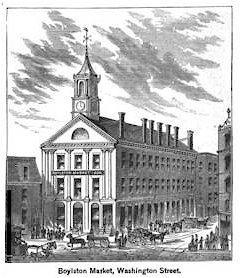
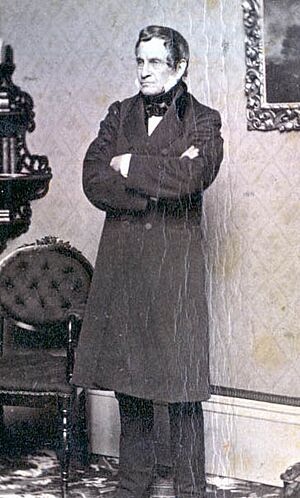
The Linnaean Society of New England began on December 8, 1814, in the Boston rooms of Dr. Jacob Bigelow. (original name was the New-England Society for the Promotion of Natural History) Judge John Davis served as president, with Bigelow and a small circle of physicians and naturalists as members. The group met every Saturday and divided their work into subjects covering minerals, plants, birds, etc.
In addition to their regular meetings they also did field research. They discovered four new types of plants. Later they established a natural history museum and issued advertisements for donations of these their subjects of study.
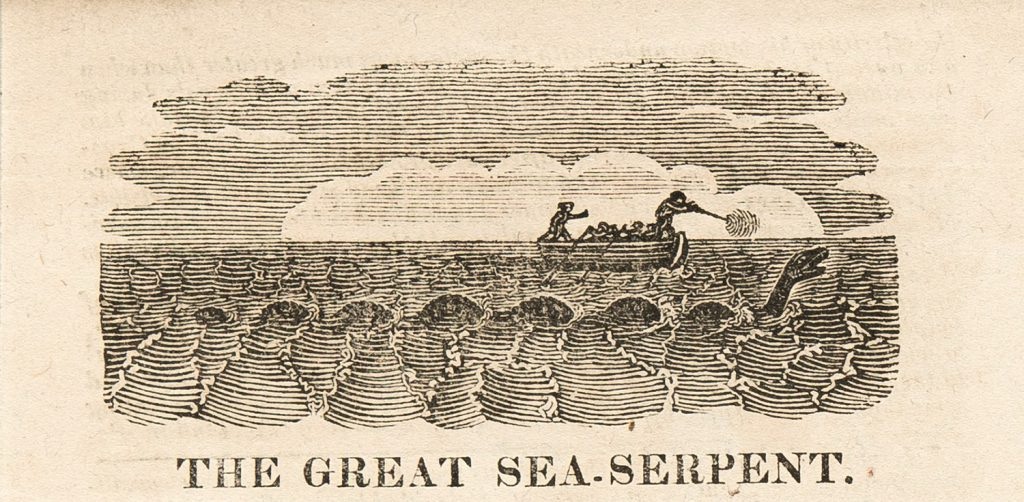
The group gained notoriety in 1817 investigating the Gloucester sea serpent sightings. They questioned witnesses under oath and then on September of that year, a Gloucester resident named Gorham Norwood killed a strange three foot snake with a bumpy, undulating spine on a nearby beach. The society became convinced the specimen was the offspring of the serpent and published a report declaring it a new species: Scoliophis atlanticus (the “Atlantic humped-snake”). The snake was reexamined and ended up being an ordinary eastern racer whose spine was likely deformed by disease or injury.
The society disbanded in 1822 with its members suspending meetings and donating their collection. Several of the men founded the Boston Society of Natural History, which eventually became the Boston Museum of Science.


